


Overmont 5.5Quart Cast Iron Dutch Oven Drip-pattern Lid Multicolor
Regular price
$79.99 USD
Sale price
$79.99 USD
Regular price


Overmont Enameled Cast Iron Dutch Oven Multiple Sizes and Colors
Regular price
From $64.99 USD
Sale price
From $64.99 USD
Regular price


Overmont Heart-Shaped Cast Iron Dutch Oven 2QT Multicolor
Regular price
$49.99 USD
Sale price
$49.99 USD
Regular price


Overmont 6QT Cast Iron Bread Dutch Oven Multicolor
Regular price
$64.99 USD
Sale price
$64.99 USD
Regular price


Overmont 5QT Enameled Cast Iron Dutch Oven Multicolor
Regular price
$59.99 USD
Sale price
$59.99 USD
Regular price
$89.99 USD


Overmont Enameled Cast Iron Dutch Oven in Pink
Regular price
From $64.99 USD
Sale price
From $64.99 USD
Regular price


Overmont Enameled Cast Iron Dutch Oven in Cream White
Regular price
From $64.99 USD
Sale price
From $64.99 USD
Regular price


Overmont Enameled Cast Iron Dutch Oven in Cherry Red
Regular price
From $64.99 USD
Sale price
From $64.99 USD
Regular price

Overmont 5.5QT Enameled Cast Iron Dutch Oven Multicolor
Regular price
$74.99 USD
Sale price
$74.99 USD
Regular price

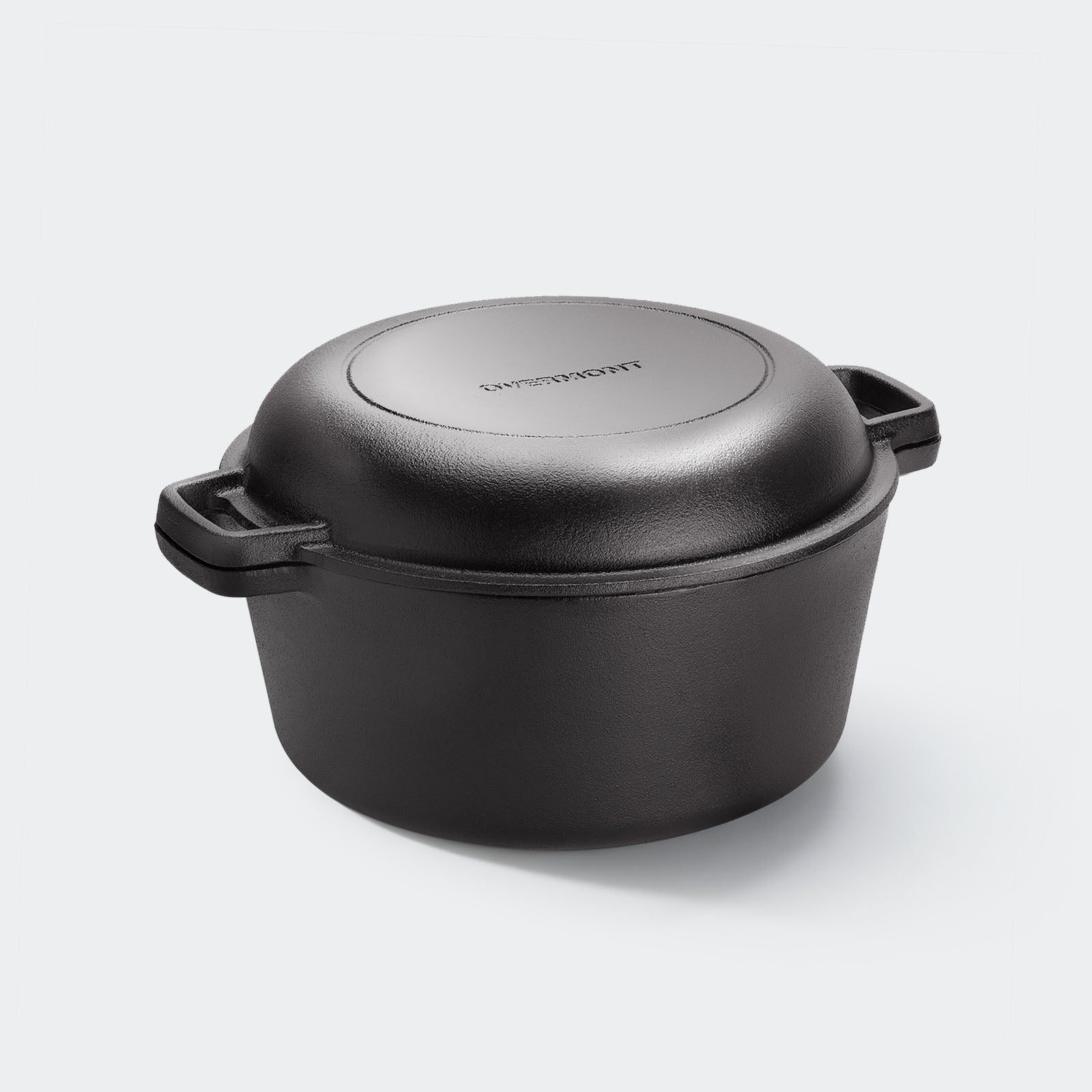
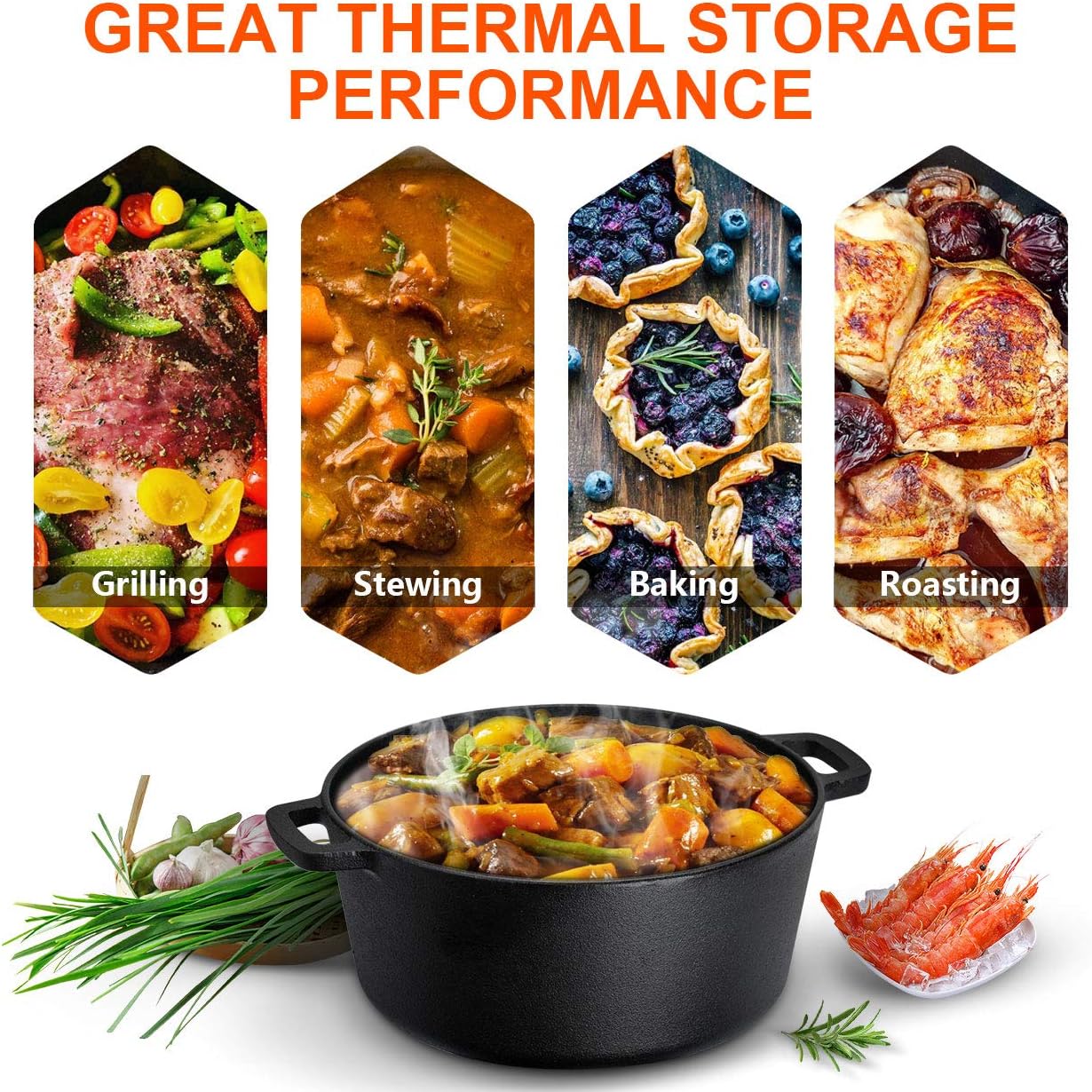
Overmont 2 in 1 Dutch Oven with Skillet Lid
Regular price
From $44.99 USD
Sale price
From $44.99 USD
Regular price
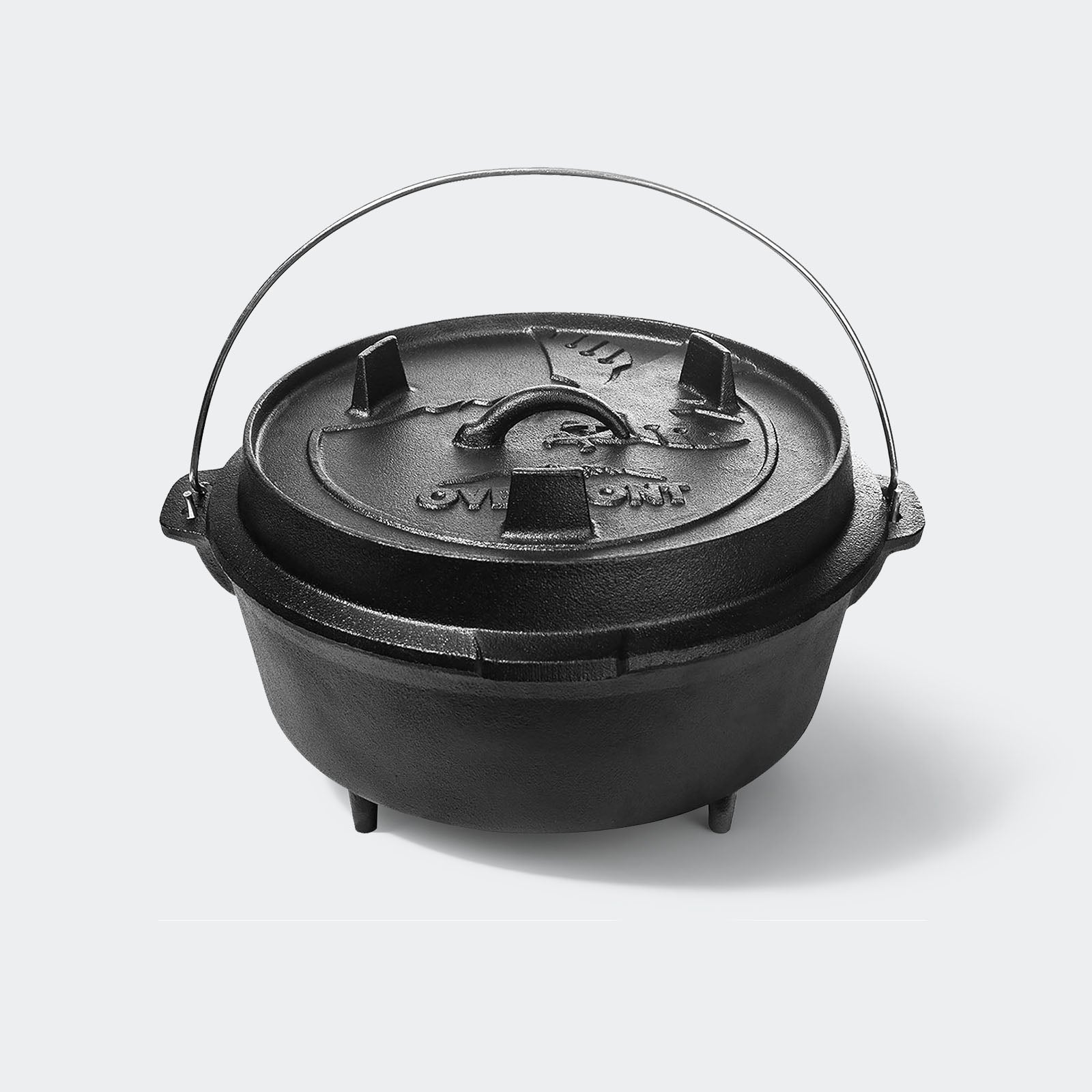
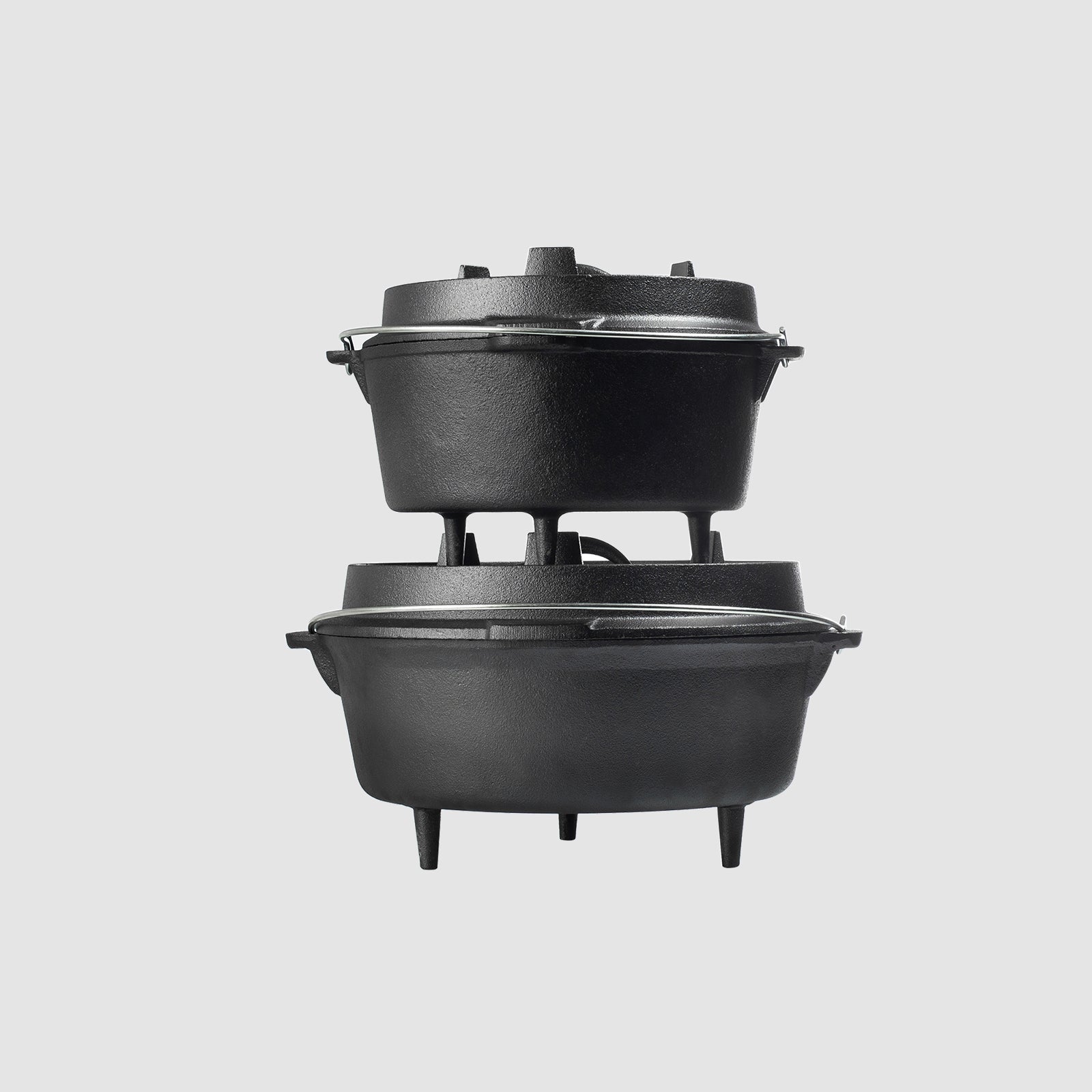
Overmont Camp Dutch Oven Cast Iron Cookware
Regular price
From $49.99 USD
Sale price
From $49.99 USD
Regular price


Overmont 3.8 Quart Cast Iron Enameled Braiser Cookware
Regular price
$79.99 USD
Sale price
$79.99 USD
Regular price


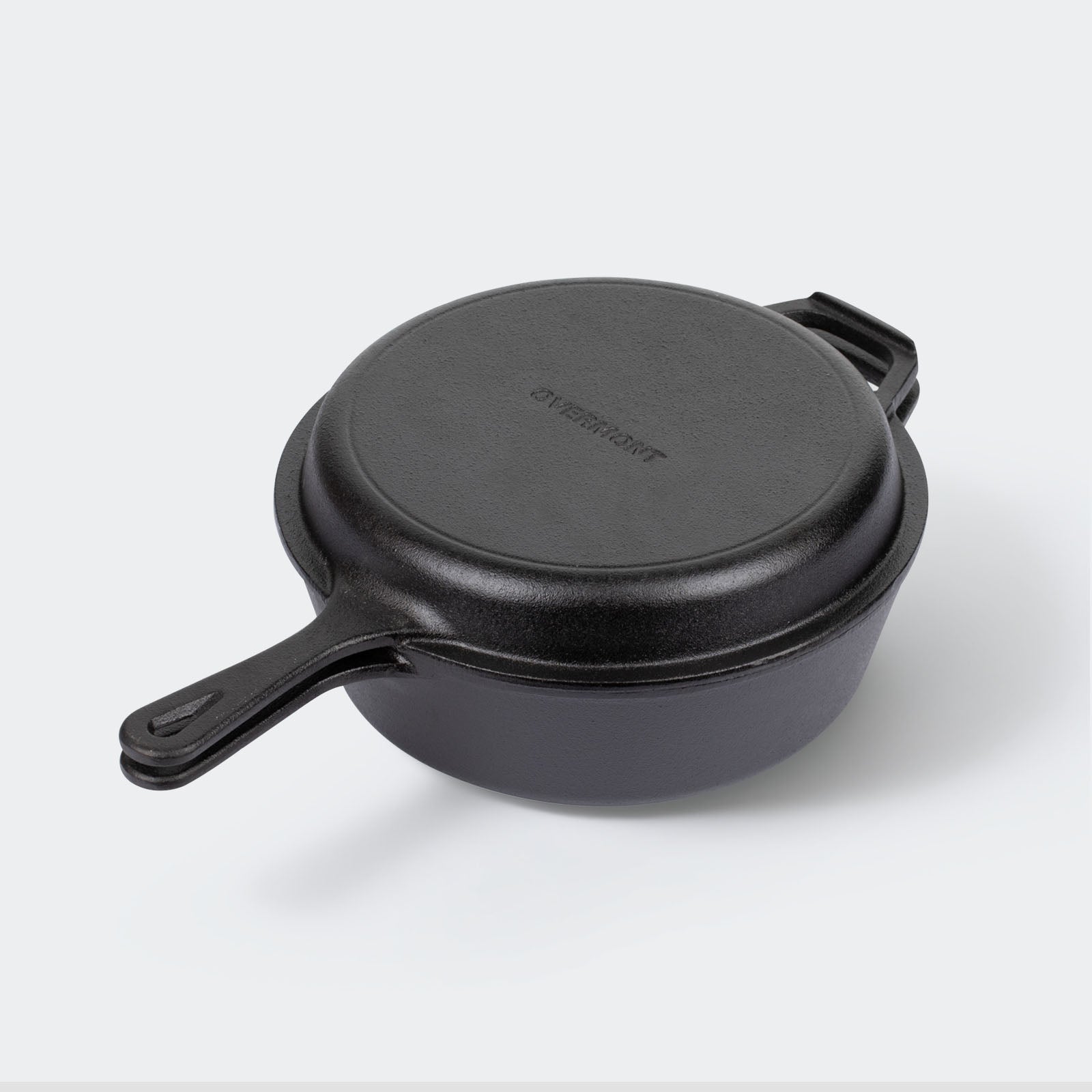
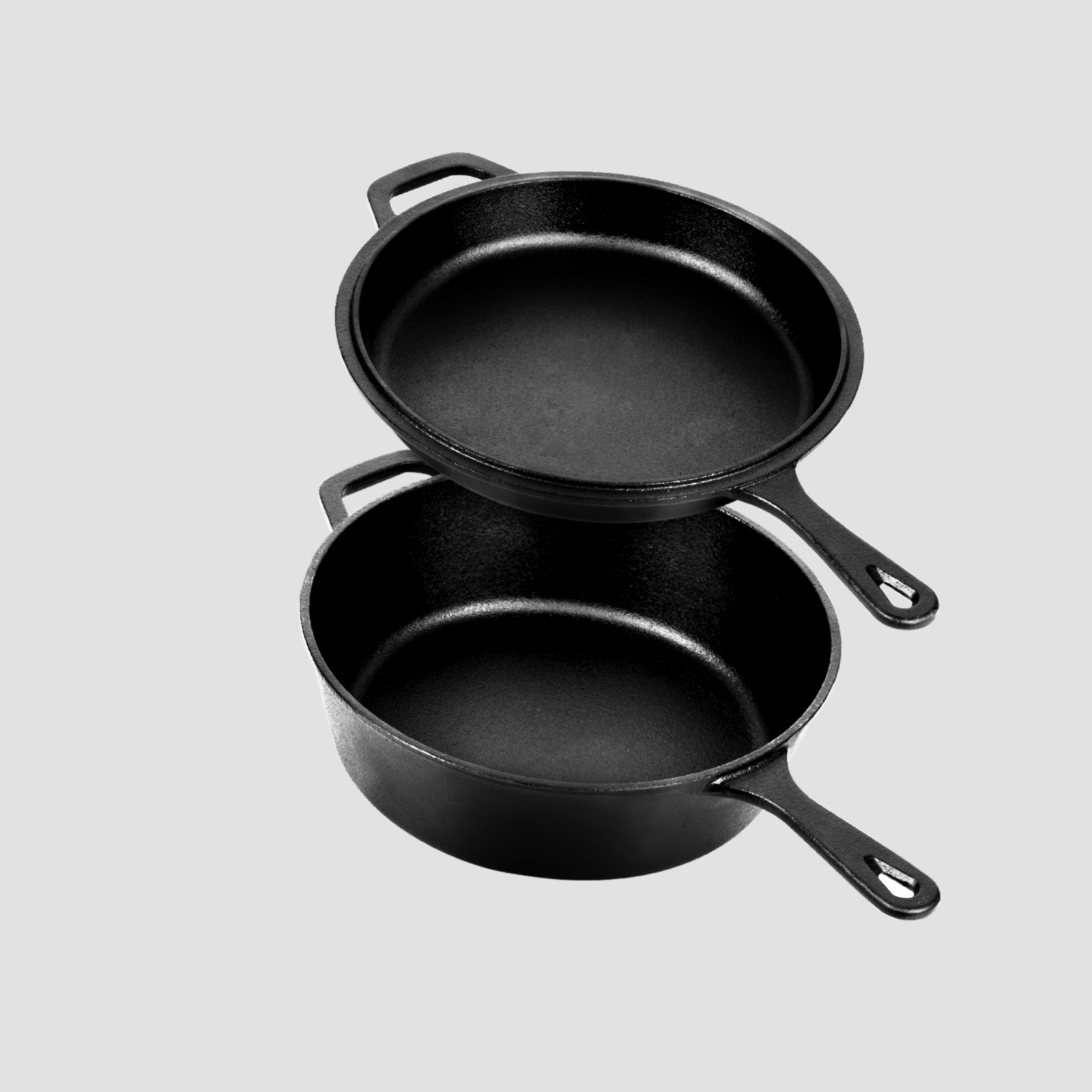
Overmont 3.2 Quart Cast Iron Combo Cooker
Regular price
$49.99 USD
Sale price
$49.99 USD
Regular price

Frequently Asked Questions
1. What is the operational difference between an Overmont "Flat Bottom" and a "Camp Style" Dutch oven?
1. What is the operational difference between an Overmont "Flat Bottom" and a "Camp Style" Dutch oven?
Our "Flat Bottom Dutch Ovens" are specifically optimized for indoor and residential culinary spaces. They feature a precision-machined, diamond-polished exterior base that guarantees maximal physical surface contact with glass-top induction cooktops, modern electric coils, gas ranges, and conventional kitchen ovens without scratching the glass surfaces. Conversely, our "Camp Style Dutch Ovens" are engineered strictly for rugged backcountry environments; they feature three integrated heavy-duty legs cast directly into the base to stand stably over open charcoal or glowing campfire embers, alongside a specialized, deep-rimmed flanged lid designed to securely hold hot coals on top for balanced, 360-degree radiant outdoor baking.
2. Why is commercial dishwashing soap and automatic dishwashers strictly forbidden for cast iron maintenance?
2. Why is commercial dishwashing soap and automatic dishwashers strictly forbidden for cast iron maintenance?
Automated dishwashers represent the absolute worst environment for cast iron cookware. They expose the porous metal to highly concentrated chemical detergents, aggressive high-pressure water jets, and prolonged, enclosed humidity cycles. This destructive combination will rapidly dissolve and strip away the protective polymer oil seasoning patina, leaving the raw, unprotected iron completely exposed to the moisture in the air, which causes rapid and severe surface oxidation (rusting). Always hand-wash your Dutch oven exclusively with hot water and a stiff nylon brush.
3. My Dutch oven has developed a layer of orange rust after being left damp. Is the pot permanently ruined?
3. My Dutch oven has developed a layer of orange rust after being left damp. Is the pot permanently ruined?
Absolutely not. One of the most extraordinary properties of high-quality cast iron is that it is structurally indestructible and can always be fully restored. If rust forms, simply scrub the affected zones vigorously utilizing fine steel wool, coarse salt, or a stiff metal scouring pad until all the orange oxidation is completely removed and the raw, silver-gray iron matrix is exposed. Wash the pot thoroughly with warm water and dry it immediately on a stovetop burner over low heat. Once bone-dry, rub a micro-thin layer of vegetable oil across every surface of the metal and bake the entire pot upside down inside your residential kitchen oven at 400°F(200°C) for one full hour to completely re-season, polymerize, and restore its iconic black protective shield.
4. Can I prepare highly acidic recipes, such as slow-simmered tomato marinara or wine-infused stews, inside my Dutch oven?
4. Can I prepare highly acidic recipes, such as slow-simmered tomato marinara or wine-infused stews, inside my Dutch oven?
When your Overmont Dutch oven is brand new, we highly recommend avoiding highly acidic ingredients (like tomatoes, vinegar, citrus, or heavy wine reductions) for long, multi-hour simmers. In a young cast iron vessel, prolonged contact with strong food acids can slightly break down the developing oil patina and leach microscopic, harmless iron molecules into the food, which can impart a dull, metallic flavor or discolor the sauce. Once you have utilized your Dutch oven frequently over the first few months to cook high-fat foods, bake bread, roast meats, and fry bacon, the seasoned patina will become incredibly dense, thick, and chemically resilient enough to handle highly acidic recipes with zero issues.
5. Why does the food surface inside my Dutch oven feel slightly rough or textured compared to modern Teflon pans?
5. Why does the food surface inside my Dutch oven feel slightly rough or textured compared to modern Teflon pans?
Our Dutch ovens undergo an advanced DISA casting process utilizing high-pressure vertical sand molds, which inherently creates a micro-textured, porous iron finish. This physical texture is a deliberate, highly advantageous engineering choice. Unlike chemically smooth synthetic coatings like Teflon, which degrade and release toxic fumes over time, this micro-texture provides a highly stable, mechanical anchor for cooking oils to cling onto during the seasoning process. As you cook more frequently, these microscopic pores naturally fill up with polymerized fats, transforming the textured surface into an ultra-durable, slippery, and completely natural non-stick patina that continuously improves with age rather than wearing out.
6. What should I do if the interior surface of my Dutch oven feels sticky, gummy, or develops a rancid odor?
6. What should I do if the interior surface of my Dutch oven feels sticky, gummy, or develops a rancid odor?
A sticky or gummy surface indicates that too much oil was applied during the post-wash maintenance cycle, or the oil was not heated to a high enough temperature to achieve complete chemical polymerization. This excess oil simply sits on top of the iron and turns sticky and tacky. To fix this, simply place the unlidded pot upside down inside your kitchen oven at 425°F(218°C) for one hour; the high heat will force the sticky oil to complete its polymerization into a hard, clean patina. If the pot develops an odor from being stored in an unventilated area with food oils, simply scrub it thoroughly with coarse kosher salt and warm water, dry it completely over heat, and bake it for an hour to refresh the iron pore structure.
7. How do I prevent my Dutch oven from cracking or warping due to intense thermal fluctuations?
7. How do I prevent my Dutch oven from cracking or warping due to intense thermal fluctuations?
To protect your Dutch oven from structural failure caused by "thermal shock," always practice gradual thermal management. Cast iron expands when heated and contracts when cooled. Plunging a roaring hot skillet or Dutch oven directly into cold tap water causes violent, asymmetrical contraction within the crystalline structure of the iron, which can lead to instant warping of the base or permanent structural fracturing. Always allow your pot to cool down naturally to room temperature on a heat-resistant trivet or stovetop burner before introducing any cleaning water. Likewise, always preheat your cast iron gradually over low-to-medium heat on indoor cooktops rather than blasting it immediately with maximum high heat.