

News
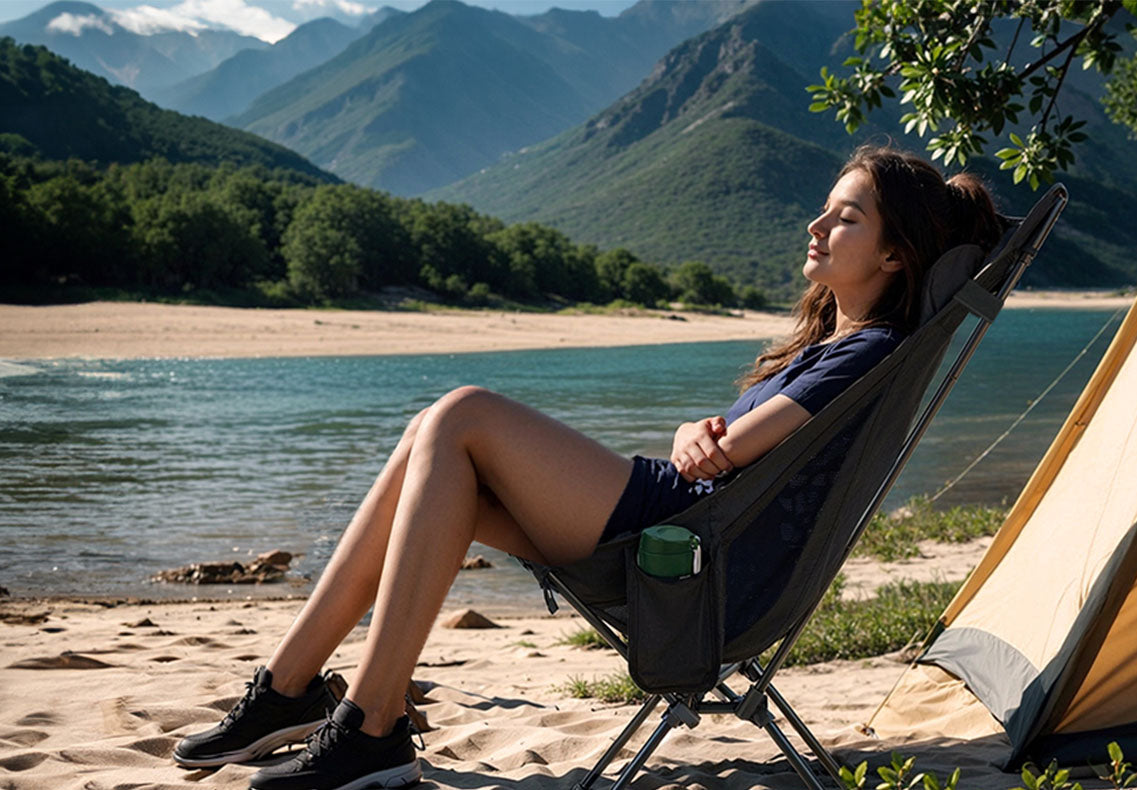
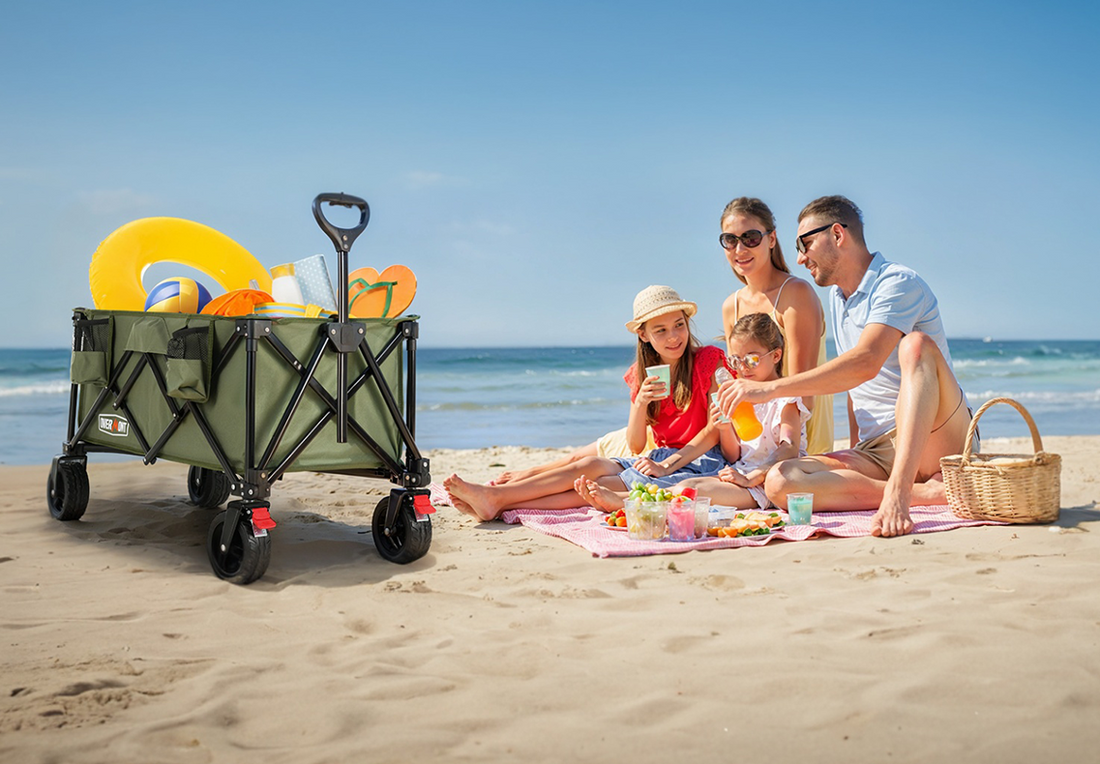
Make Outdoor Adventures Easier with a Camping Wagon
Camping is a beloved outdoor activity, but let’s be honest — hauling gear back and forth can be exhausting. From tents and foldable chairs to cookware, food, and even toys, the sheer volume of items can turn preparation into a major workout. That’s where a reliable camping wagon makes all the difference — streamlining packing and transportation so you can truly enjoy your time outdoors. High-Capacity Storage = Faster Packing One of the biggest advantages of using a camping wagon is its large capacity. With a spacious wagon, you can load everything at once — tent, sleeping bags, table and chairs, cookware, food, and more — without making multiple trips. Packing becomes faster, neater, and more organized. Overmont offers wagons in various sizes — 100L, 200L, 300L, 400L and so on — to suit different needs and group sizes, from solo getaways to full-family adventures. Easy to Pull Across Any Terrain Compared to traditional plastic bins or handheld bags, camping wagons are much easier to maneuver — especially on rough terrain. Overmont wagons are equipped with wide rubber wheels for better shock absorption and grip. Whether you're crossing grass, dirt, sand, or gravel, the wagon rolls smoothly and takes the strain off your shoulders. Folds Down for Compact Storage A foldable camping wagon is a game-changer. It sets up in seconds and folds down flat to fit in your car trunk without taking up valuable space. For frequent campers or those with limited vehicle space, this feature offers unmatched convenience. More Than Just for Camping While designed for camping, a wagon’s usefulness goes far beyond. It’s great for the beach, park outings, picnics, backyard BBQs, grocery runs, and even moving day. One wagon, multiple uses — making it a high-value investment for outdoor lovers and busy families alike. A camping wagon has become an essential part of modern outdoor gear. It doesn’t just solve the problem of “how to carry everything,” it also adds organization, mobility, and versatility to your experience. If you’re looking to make your outdoor trips easier and more efficient, an Overmont camping wagon is a smart and practical choice.
Learn more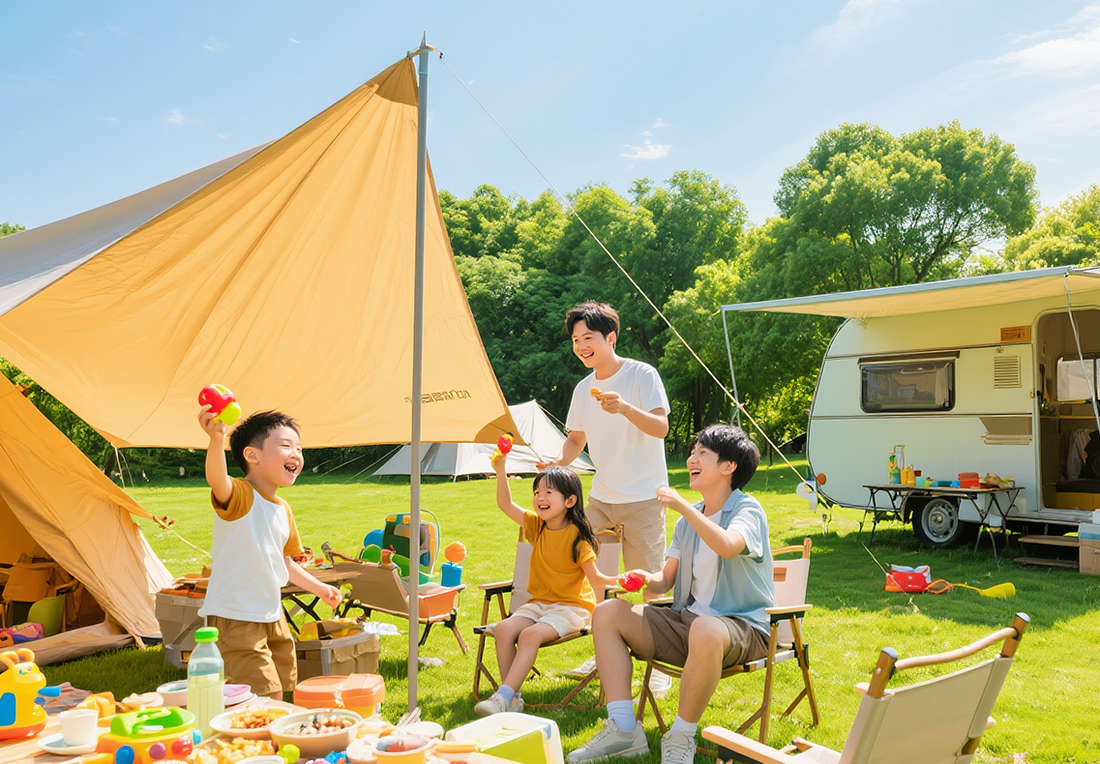
Camping as a Lifestyle: Which Type Speaks to You?
Camping has long evolved beyond wilderness survival—it's now a mobile expression of personal style and lifestyle aesthetics. The gear you choose says a lot about your approach to life. So, what’s your camping personality? 🏔️ Minimalist & Lightweight Camping For backpackers and solo campers who embrace simplicity, every gram counts. An ultralight single-person tent is the go-to for swift mobility, paired with a down sleeping bag that packs down to the size of a water bottle and a compact inflatable pillow—ensuring a restful night's sleep without weighing you down. A foldable titanium stove and a mess tin are all you need for one-pot minimalist cooking, while a portable solar charger keeps your devices powered up even off-grid.This setup is tailored for alpine treks, long-distance journeys, and fast-paced camping—ideal for outdoor enthusiasts seeking pure immersion in nature with nothing holding them back. 📸 Retro Glamping For photography lovers and creative souls, camping becomes an artful experience. Picture a cream-colored canvas pyramid tent with wooden poles, complemented by a foldable wooden roll-top table and vintage leather chairs. You've just created an outdoor living room with serious charm. When evening falls, cook curry or mulled wine in an cast iron dutch oven and let the warm glow of a retro kerosene lantern illuminate your handwritten journal. It’s camping with a poetic twist.Perfect for weekend getaways, lakeside picnics, or curated style-camp gatherings—this setup turns each trip into a memory worth capturing. ⛺ Family-Fun Camping For families with kids, pet owners, or groups of friends, camping is all about connection and joy. A 200L electric collapsible folding wagon cart, cozy and safe camp chairs, a foldable projector, and outdoor board games can turn your site into an open-air cinema and play zone. Cooking meals together in an cast iron dutch oven becomes a heartwarming family ritual, turning every moment into lasting memories.This family-friendly setup is great for park picnics, beach camps, or any outing where kids can roam free and everyone gets to unplug and bond. 🌿 Camping is freedom, your way Camping has no fixed formula—it welcomes minimalism, celebrates romance, and cherishes moments of togetherness. Whatever lifestyle you long for, nature has room for it.
Learn more
Top 5 Most Comfortable Camping Chairs for Outdoor Lovers
Looking to elevate your outdoor comfort? Whether you're stargazing, reading, or simply relaxing at camp, these 5 camping chairs bring luxury into the wild. Let’s dive into the top picks that outdoor lovers can’t get enough of. 1️⃣ Reclining Lounger Chair Highlights: Adjustable backrest, some models recline nearly flat. Ideal for sunbathing, napping, or long rest breaks. Often equipped with a footrest or leg support. Ideal for those slow, peaceful moments: a nap in the shade, a sky full of stars, or a book you just can’t put down. 2️⃣ Oversized Padded Chair Highlights: Extra-wide seat with thick padding for full-body comfort. Supports larger body types and various sitting positions. Some come with built-in cup holders or insulated compartments. Equipped with headrest and lumbar support. Your ultimate chill zone for campfire hangs, backyard movie nights, and breezy picnic breaks. 3️⃣ Rocking or Swinging Camp Chair Highlights: Relaxing rocking or swinging motion. High back and headrest for extended comfort. Perfect for soaking in views or bonding time with kids. Made for those still, soothing times — nodding off by the water, swaying in the shade, or spotting birds in the distance. 4️⃣ Ultralight Foldable Chair Highlights: Lightweight and compact — easy to carry on long treks. Surprisingly supportive despite minimalist design. Integrated storage bag design — perfect for backpackers. Built for the trail — whether you’re hiking deep into the wild, bikepacking light, or casting lines at your favorite fishing spot. 4️⃣ Double or Sofa-Style Chair Highlights: Spacious seating for two — ideal for couples or families. Cozy with a blanket and pillows — homey feel in the wild. Some models include cup holders or built-in side tables. Your cozy space for two — perfect for romantic camps, weekend family outings, and slow afternoons shaded by a canopy. The Right Camping Chair Makes All the Difference Oversized camping chair padded chairs offer plush comfort and plenty of space to sink into. If you love catching some rays and napping under the sun, reclining cots are your ultimate companion for lazy, relaxing moments. For those who travel light and value portability, ultralight chairs make packing and carrying a breeze without sacrificing support. And if you’re camping as a couple, sofa-style double chairs create a cozy spot that brings you closer, perfect for sharing those quiet moments together.
Learn more
Spring Weekend Escapes: Quick Outdoor Getaways for National Park Week and Beyond
As the days grow longer and the air turns crisp with spring, there's no better time to hit the reset button—without taking time off work. With National Park Week just around the corner in April, it's the perfect excuse to swap your screen for a scenic trail and rediscover the joy of the outdoors. And guess what? You don’t have to travel far or rough it to make it happen. This guide is your go-to for planning the perfect spring weekend escape—simple, refreshing, and within driving distance. Whether you’re a first-timer or a seasoned adventurer, let’s dive into how to get away and feel great doing it. 🏕 What’s a Weekend Escape? A weekend escape is all about making the most of your 48 hours. Think short drives, easy setups, and big rewards in the form of fresh air and natural views. It’s the rise of micro-adventures—small trips that recharge your energy without draining your PTO. And with National Park Week offering free entry days and special programs across U.S. national parks, there’s never been a better moment to pack your bag and reconnect with the great outdoors. Types of quick escapes you can try: Car Camping – Park and sleep steps away from your campfire One-Night Tent Camping – Classic and simple, just one night under the stars Glamping – If you're not into roughing it, comfort-first tents are a vibe Day Trips with Picnics + Stargazing – Light, easy, and beautiful 🏞 Find a National Park Near You When time is tight, location is everything. The good news? There’s likely a beautiful natural spot just a short drive from you. Here are a few great options to explore during National Park Week: From San Francisco – Point Reyes National Seashore: coastal cliffs, elk herds, and fresh ocean air From New York City – Gateway National Recreation Area: beaches, birdwatching, and harbor views From Los Angeles – Joshua Tree National Park: desert magic, massive boulders, and clear night skies Tip: Check the National Park Service website for exact free admission dates, ranger-led events, and family programs near you. 🎒 What to Pack for a Stress-Free Micro Adventure You don’t need a truckload of gear to enjoy the outdoors. All you need is the right stuff that makes your escape easier, cozier, and more fun. Here’s what we recommend: Must-Haves: Lightweight tent or a backseat-friendly SUV sleeping mat Compact sleeping bag & liner Portable lantern or headlamp Weather-ready layers (spring mornings can be chilly!) Sunscreen & bug spray Basic first aid kit Featured Essentials: 🪑 Camping Chair – For lakeside coffee, campfire chats, or quiet reading 🛏️ Folding Cot – Say goodbye to bumpy ground and hello to a good night’s sleep 🛒 Gear Wagon – Save your back; wheel everything in one go, especially great for families Pack light, but smart—comfort makes all the difference. 🧭 Keep It Simple and Enjoy the Moment Weekend getaways should feel like a breath of fresh air—not a to-do list. Here are some quick tips to keep things easy and fun: No need to over-plan: Have a general idea, but leave room for spontaneity Bring quick meals: Think wraps, fruit, instant noodles, or foil-pack campfire dinners Offline is okay: Use it as a break from devices, and reconnect with nature (and each other) Try one new thing: Whether it’s stargazing, journaling, or skipping rocks 💬 A Mindset Shift: More Nature, Less Noise The real beauty of a weekend escape isn’t in how far you go—it’s how far you get from everyday noise. Even just one night outdoors can offer clarity, creativity, and calm. Spring is your chance to reset. And National Park Week is your sign to begin. 🎯 Final Thoughts + Take Action You don’t have to go off-grid to feel grounded. A simple weekend escape, especially during National Park Week, can be the start of a new routine—one where you give yourself space to breathe, unplug, and explore. 📣 Ready to roll?Get 10% OFF essential weekend gear like folding cots, comfy chairs, and portable wagons.Shop now and make your next weekend your best one yet.
Learn more
Spring Camping Guide: Essential Gear, Packing List & Expert Tips
Introduction Spring is the perfect season for camping—mild temperatures, blooming landscapes, and fewer crowds make for an unforgettable outdoor adventure. Whether you're a beginner or a seasoned camper, having the right gear and preparation can make all the difference. In this guide, we'll cover must-have spring camping gear, a complete packing checklist, and expert camping tips to ensure a stress-free and enjoyable trip. 1. Why Spring is the Best Season for Camping Spring camping offers unique advantages compared to other seasons: Mild Weather: Enjoy comfortable daytime temperatures without extreme heat or cold. Fewer Crowds: Spring campsites are quieter, giving you more space and privacy. Beautiful Scenery: Wildflowers, green forests, and flowing waterfalls create a stunning backdrop. Active Wildlife: Spring is a great time for birdwatching and spotting wildlife in action. 2. Spring Camping Packing List: Must-Have Gear Packing the right gear ensures a comfortable and safe trip. Here’s a complete spring camping checklist to help you prepare: Weather-Ready Essentials Spring weather can be unpredictable, so be ready for rain and temperature changes: Waterproof Tent: A lightweight, well-ventilated tent with a rainfly for added protection. Insulated Sleeping Bag: Choose a sleeping bag rated for cool temperatures. Layered Clothing: Pack moisture-wicking base layers, an insulated mid-layer, and a waterproof outer shell. Sun & Bug Protection Spring sunshine and insects can be an issue, so bring: Sunscreen: Protect your skin from harmful UV rays. Bug Spray: Essential for keeping mosquitoes and ticks away. Camp Cooking Essentials Great food makes camping more enjoyable! Pack: Portable Stove or Fire Grill: A reliable way to cook outdoors. Reusable Cookware & Utensils: Lightweight, durable, and eco-friendly. Easy-to-Prepare Meals: Think pasta, instant oatmeal, canned foods, and energy bars. Comfort & Convenience Gear Upgrade your camping experience with these must-haves: Camping Wagon (Gear Cart): Easily transport heavy gear, firewood, and food. Camping Chairs: Relax around the fire in comfort. Folding Cot (Camp Bed): Stay off the cold, damp ground for a better night's sleep. 3. Expert Spring Camping Tips for a Safe & Fun Trip Beyond packing, here are some essential camping tips to enhance your experience: Check the Weather Forecast: Be prepared for sudden temperature drops or rain. Arrive Early to Set Up Camp: Give yourself enough daylight to pitch your tent and organize your site. Follow Leave No Trace Principles: Keep nature clean by packing out all trash. Store Food Properly: Use sealed containers to keep wildlife away. Bring a first-aid kit: Be ready for minor cuts, blisters, or bug bites. Final Thoughts Spring camping is an incredible way to experience the outdoors, but proper preparation is key. With the right gear and planning, you can enjoy a hassle-free adventure filled with breathtaking views, fresh air, and unforgettable moments. Looking for the best spring camping gear? Shop our top-rated essentials today!
Learn more
How to Care for Your Enameled Cast Iron Cookware: A Complete Guide
Enameled cast iron cookware is a kitchen investment that lasts generations—but only with the right care. Without proper maintenance, it can chip, stain, or lose its performance over time. Follow these essential tips to keep your cookware looking and cooking like new for years to come. 🔹 First Use: Set Your Cookware Up for Success Before your first meal, take these simple steps to protect the enamel and ensure long-lasting performance: ✅ Wash with warm, soapy water and dry completely.✅ Lightly oil the interior before first use to enhance non-stick properties.✅ Avoid sudden temperature changes—don’t go from cold to hot too quickly. 🔥 Pro Tip: A little preparation now means better cooking results and a longer lifespan for your cookware! 🔥 Cooking Tips: Get the Best Performance Every Time Using enameled cast iron correctly makes a big difference in how well it cooks: ✔ Use low to medium heat – It holds heat so well that high temperatures aren’t needed.✔ Always add oil or liquid before heating – Dry heating can weaken the enamel.✔ Use wooden or silicone utensils – Metal can scratch the surface. 💡 Energy-Saving Hack: Your cookware stays hot even after turning off the stove—perfect for keeping food warm while serving! 🧽 Cleaning Made Easy: Keep It Stain-Free & Smooth The biggest question: Can you put enameled cast iron in the dishwasher? 🚫 No! Avoid dishwashers – High heat and harsh detergents can wear down the enamel.🛁 Hand wash with warm, soapy water – It’s all you need for regular cleaning.🧼 For tough stains, use baking soda – Make a paste, let it sit for 15 minutes, and wipe clean. 💡 Quick Fix: If food sticks, soak with warm water and a dash of vinegar before scrubbing with a soft sponge. 📦 Storage Tips: Prevent Chips & Scratches To keep your cookware in perfect shape when not in use: ✔ Make sure it’s completely dry before storing.✔ Stack carefully with soft padding – Use a cloth or silicone mat to prevent scratches.✔ Store with a paper towel inside to absorb any moisture and prevent odors. 💡 Bonus Tip: Live in a humid climate? A small silica gel packet inside the pot helps prevent moisture buildup! ⏳ Long-Term Care: Keep It Looking & Cooking Like New With the right habits, enameled cast iron can last a lifetime: ✔ Limit long cooking times with acidic foods – Slow-cooking tomatoes or citrus can wear down the enamel.✔ Handle with care – While durable, dropping it can still cause chipping.✔ Use it regularly – Cooking more often helps maintain its performance! ✨ Enjoy Your Enameled Cast Iron for Years to Come A little care goes a long way! Follow these tips, and your enameled cast iron will be your go-to cookware for years. 💬 What’s your favorite dish to cook in enameled cast iron? Share in the comments! 🍲👇
Learn more
Hiking for Beginners: A Comprehensive Guide to Starting Your Adventure
The lure of adventure and the elusive beauty of the wild outdoors beckon all people. Hiking is a great way to get a personal look at this beauty through the simple act of strolling in the outdoors. Engaging in this activity not only provides a great deal of physical fitness but also fosters a strong bond with the surrounding environment. This is a guide for those who have never hiked before and may not be sure where to start. Quickly pack your bags and set off. About Hiking Walking on trails or routes in natural settings is what hiking entails. It ranges from easy strolls in your neighborhood park to strenuous hikes through the backcountry and mountains. Hiking is all about getting lost in nature and taking the time to enjoy your surroundings. It has changed from a necessity to a popular pastime around the globe. If you have always wanted to explore the outdoors and get outside of your comfort zone but have not gotten started, you might as well start with hiking and follow the 3 steps:1. Find a hiking partner2. Choose a hiking route3. Package your gear 1. Find a Hiking Partner Here are a few effective ways to find outdoor partners: 1.1 The simplest way to find a hiking partner is to ask your existing network. Friends, family, and colleagues may either be interested in themselves or know someone who is looking for a hiking companion.1.2 Many communities have local hiking clubs that organize regular hikes for members of all skill levels. These clubs are great for meeting people with a shared interest in hiking. Websites like Meetup.com can be a fantastic resource for finding such groups near you.1.3 Leverage Local Outdoor StoresLocal outdoor equipment stores are not only great places to find gear but also to find community bulletin boards with postings from people looking for hiking companions. Additionally, the staff at these stores often knows about local groups or individuals who are interested in linking up with other hikers. Of course, some decide to go hiking by themselves. You will experience a different sense of freedom and adventure when hiking alone, but you will also experience a great deal of risk and loneliness. If you wish to hike by yourself, be ready to make some very thoughtful route decisions to ensure your safety. 2. Choose a Hiking Route 2.1. Suggestions from Friends and Neighborhoods: Speak with outdoor-loving friends, family members, or coworkers to get recommendations for hikes they have loved. Participate in online forums or hiking clubs in your area by joining social media networks like Facebook or Reddit. Ask for recommendations for well-liked hiking routes in your community by posting a question. Participate in outdoor gatherings or workshops to network with other hikers and share advice. These kinds of events are frequently held in nearby outdoor stores. 2.2. Overview of the Website for Guidance: Start by visiting a reliable website for hiking advice, like Trails.com, Hiking Project, or AllTrails. Discover the features of the website, such as search filters for length, location, difficulty level, and user ratings. Use the website's list of hiking trails or enter your preferred location to locate routes that suit your needs. Examine in-depth descriptions of every path, taking note of the topography, landmarks, trailhead details, and user reviews. Make use of the website's mapping features to see the trail's route and surroundings. Take into account other features like pictures, trail conditions, and downloadable GPX files or maps for offline use. After locating an appropriate hiking path, save it to your account or save it for later use. 3. Package your Gear Essential Equipment for NovicesHiking may be safe and pleasant if you have the proper equipment from the start. Important things consist of: Footwear: Make a wise purchase of well-made hiking boots or shoes that offer enough traction and support. Clothing: Dress in layers that you can effortlessly add or remove depending on the weather. Backpack: For transporting your necessities, a cozy, well-fitting backpack is important. Navigation Tools: To keep oneself on course, become familiar with maps, compasses, and GPS units. Safety Equipment: Always have a multitool, sunscreen, first aid kit, and headlight with you. You might want to bring a trekking stick to help you along the way if the hiking terrain is difficult for you. Nutrition and Hydration: Pack enough food and water to sustain your energy levels during the hike. Additional Hiking Considerations Safety Tips and Emergency Preparedness Prepare for unexpected situations by familiarizing yourself with common hiking hazards. Always inform someone about your hiking plans and carry emergency contact information. Always carry a first-aid kit; knowing basic first aid and when to turn back are crucial aspects of safe hiking. Hiking Etiquette and Leave No Trace PrinciplesWhether you are planning your first hike or have been hiking for years, it is important to understand some fundamental trail etiquette.Right of Way: Following these rules of the trail can help everyone get along: Hikers vs. Hikers: Hikers going uphill have the right of way. You may see uphill hikers let others come downhill while they take a breather, but remember, that’s the uphill hiker’s decision. Hikers vs. Bikers: Mountain bikers are generally expected to yield to hikers. However, because mountain bikers are usually moving faster than hikers, it can be easier for hikers to step aside and yield the right of way. Hikers vs. Horses: Horses get the right of way. If you’re sharing the trail with equestrians, give them a wide berth when you’re passing each other, and don’t make abrupt movements. It’s generally recommended to step off the trail to the downhill side while yielding to a horse. Leave No Trace provides seven principles that guide enjoying the outdoors in a sustainable way that avoids human impacts. The seven principles are: Plan and prepare Travel and camp on durable surfaces Dispose of waste properly Leave what you find Minimize campfire impacts Respect wildlife Be considerate of other visitors Advantages of Hiking Hiking is a great way to exercise your physical, mental, and social well-being in addition to helping you achieve your destination. Physically, it strengthens your muscles, improves your heart health, manages weight, and improves balance and coordination. It provides a mental break from the digital world, relieving stress and improving your mood. Hiking with others can promote a sense of community and create enduring social relationships. Are you prepared to set out on the trekking trail? To get more advice, reviews of gear, and motivational tales to inspire you on your next journey, sign up for our newsletter. One step is all it takes to see how beautiful nature is. Where will you end up after walking?
Learn more
How to Clean and Care Your Cast-Iron Cookware?
Cast iron cookware is known for its durability and even heating, but it requires proper care to maintain its quality. Various situations can occur during everyday cooking that can cause pots to have stains that are difficult to clean. Master the tips for daily cleaning and maintenance to keep your pots and pans consistently clean. 1. How to Clean Cast Iron Cookware 3-Step Cast Iron Cleaning Method 1. Wash Clean cast-iron cookware with water. You can use a small amount of soap. If necessary, use a pan scraper to remove food particles stuck in the pan. For stubborn, sticky food, add a small amount of water and cook for 3-5 minutes, then use a spatula after the pan has cooledRinse with Hot Water: After use, rinse the cookware with hot water to remove any loose food particles. Avoid using soap, as it can strip away the seasoning.2. DryQuickly and thoroughly dry surface moisture with a lint-free cloth or kitchen towel. If you notice a little black residue on your towel, don't worry. This is just seasoning and completely normal.You can also place it on the stovetop on low heat for a few minutes to ensure it's completely dry.3. OilCoat the surface of the cookware with a thin layer of cooking oil or another brand of seasoning spray. Wipe all surfaces of the pot with paper towels until no excess oil remains. 2. Cast Iron Troubleshooting and Care For daily use, cleaning, and maintenance, following this step is enough. But cast iron may encounter various issues over time. At this time, additional steps are needed to help you. Here's how to troubleshoot and care for your cookware: 2.1 Rusty: Cause: Rust can form when cookware is exposed to a damp atmosphere for an extended period of time, although it is not harmful. It may occur when cast iron cookware is left to soak in the sink, placed in the dishwasher, or air-dried, or when the cookware is stored in a moisture-prone area (such as a cabinet near the dishwasher, an open cabinet in a wet region, or outside).Fix Method:1. ScourScrub any loose or flaky rust from the cookware's surface with steel wool or a wire brush. Rinse thoroughly to eliminate all surface moisture.2. OilApply a thin layer of vegetable oil or cooking oil to the inner and exterior surfaces of the cookware. You can apply the oil using a paper towel. Make certain that the entire surface is evenly coated.3. BakePreheat the oven to 350–400°F. In the preheated oven, place the oiled cookware upside down. To catch any drips, place a foil-lined baking sheet or a sheet of aluminum foil on the rack below. Allow the cookware to bake for around 1-2 hours in the oven. This will polymerize the oil, forming a new layer of seasoning that will protect the cookware from rust. 2.2 Sticking: The Cause:Food can sometimes stick to cast iron pans. This can happen for a variety of reasons, including not using enough fat or oil while cooking, using unseasoned cookware, or using new cookware without an extra coat of seasoning.The Fix:To avoid sticking, add roughly a teaspoon of oil to a skillet and gradually heat it on the stovetop or in the oven before cooking. Allow the cookware to cool before using a pan scraper to remove stuck-on food, scrubbing with a nylon brush or anti-scratch pad, drying your hands, and coating with a thick coat of oil. Rub the oil all over the pan until it is evenly dispersed. 2.3 Flaking: The Cause:Occasionally, the seasoning on your pan may break down and leave black specks, especially if the cookware is not well-seasoned, but it is not harmful in any way.The Fix:To remove any loose flakes, softly wash the cookware, then season it by wiping the pan with a thin layer of oil, turning it upside down in the oven, and roasting for one hour at 450-500 F. To catch any excess oil, line the bottom rack of your oven with aluminum foil. The flaking will eventually be minor as the seasoning builds up over time. 2.4 Stuck-On Food: The Cause:If you leave your cast iron cookware on a heat source for an extended period of time, meals, marinades, and sauces can burn and stick to the surface.The Fix:To remove stuck-on food, use a pan scraper. If the problem persists, heat a small amount of water in the pan for 3-5 minutes before using the scraper. Make sure to properly dry before applying a coat of oil. If this does not remove the burned-on food, proceed to the rust section for re-seasoning advice. 2.5 Sticky Surface The Cause:If the seasoning in your pan is sticky, this indicates that there is too much oil on the cookware.The Fix:To remove stickiness, roast the cookware upside down on the top rack of the oven for one hour at 450–500 degrees F. Allow to cool before repeating if necessary. 2.6 Odors The Cause:You may detect residual odors when you cook fish or other fragrant meals on cast iron or inadequately clean your cookware before storing it.The Fix:Simply bake your cast iron pan at 400 degrees F for 15 minutes to get rid of the stench. This simple odor-removing approach will not harm the seasoning on your cookware. A conventional method involves sprinkling plain table salt on the cooking surface of your cookware, leaving it on overnight, and then rinsing it off in the morning. This will help remove any remaining odors. If the odors continue, scour and re-season your cookware. Cast iron cookware may last for generations if properly cared for and maintained. Cleaning on a regular basis, re-seasoning as needed, and diagnosing common concerns can ensure that your cast iron pans and pots continue to function admirably in the kitchen. So, roll up your sleeves, get cooking, and enjoy the numerous advantages of cast iron cookware.
Learn more
Fun Fall Camping Activities for the Whole Family
The autumn season is ideal for gathering your loved ones and going on family camping and outdoor activities. The brisk air, changing leaves, and comfortable campfires make it a wonderful moment in the great outdoors. Fall will arrive when the maple leaves turn redder. However, for much of the United States, fall is simply lovely. Take advantage of the short opportunity to appreciate the autumn scenery. 1. Nature Scavenger Hunt Organizing a nature scavenger hunt is one of the best ways to immerse your family in the natural world's delights. Making specimens from different leaves or searching for and photographing animal footprints. They are all good choices for kids to learn about the world and inspire.Don't forget to give them a modest prize when they finish the exploration. Allow your youngster to feel more accomplished when he completes a task. 2. Campfire Cooking Cooking over a campfire is a time-honored tradition; try out family-friendly campfire recipes, and it's even more fun when the whole family gets involved. We recommend Overmont Camp Dutch Oven Cast Iron Cookware, a premium piece of cast iron cookware designed for campfire cuisine. Not only can you cook, but you can also use the lid to fry and grill various foods.Just remember to follow safety tips when cooking with kids and make sure they understand the safety rules of the campfire. 3. Hiking and Nature Walks Fall becomes the ideal season for hiking and walking enthusiasts as the summer heat gradually gives way to cooler temperatures and the brilliant green landscapes convert into colorful ones. Trekking is made more delightful by the splendor of changing leaves and nice weather. Look for recommended hiking paths in your area, choose family-friendly hikes, and encourage your children to explore and identify various plants and fauna. Bring leaves and rocks to collect, and maybe even a field guide to help with natural identification. It's a fun and instructive event for the whole family. 4. Stargazing Clear autumn nights are ideal for stargazing. Especially if your child is interested in the stars, now is a good time to actually lead them to explore the stars. Take advantage of the opportunity to teach your children about constellations and planets. You can even bring a telescope or binoculars to have a better look at the night sky. Encourage children to ask inquiries and wonder at the universe's beauty. Prepare tents, kitchen cookware, sleeping bags, and other equipment. Even if the temperature during the day is very comfortable and the temperature difference between day and night is large, you still need to keep warm. 5. Outdoor games and sports Locate a good camping spot with more space, a tent, a folding chair, an outdoor game, and some food. Capturing the flag, a frisbee toss, or a friendly soccer match are wonderful ways to have fun with the family outdoors.After exercising, take a few seconds to relax with your whole family. You can even hold a family competition with awards for the winners. It's all about making memories and developing family ties. 6. Campfire Stories and Songs Gather around the campfire for songs and stories. Tell eerie or funny campfire stories and invite everyone to join in. Singing songs together makes the experience all the more memorable.A campfire is an age-old custom that has captivated human hearts for millennia with its flickering flames and crackling wood. It's the epicenter of outdoor storytelling, warmth, and fellowship. The Overmont Outdoor Smokeless Fire Pit is a technological marvel that reinvents the campfire experience. Important Principles: Leave no trace and respect nature Camping is more than just a fun hobby; it is an opportunity to connect closely with nature. It is critical to teach your children about proper camping and ecological conservation. Leave No Trace principles; teach your children daily camping skills and the importance of protecting the environment. Don't let human traces disturb nature and wildlife. The autumn season is ideal for outdoor activities. Nature is putting on a spectacular drag performance, and the panorama changes every day. Take advantage of the opportunity to enjoy the outdoors in all of its glory. Make a plan, pack your bags, and get out this autumn, whether you're an experienced hiker or a novice nature fan.
Learn more